 Written by primeglobalhb
The way we consume media has undergone a massive transformation over the past three decades. From bulky CRT televisions and neighborhood cable guys to sleek smart TVs powered by invisible data streams, the evolution of television is a testament to human innovation. Here is how we transitioned from traditional cable to the IPTV revolution.
In the late 20th century, cable and satellite TV dominated the market. They offered hundreds of channels, premium sports packages, and 24-hour news. However, this came at a steep price. Consumers were forced into rigid, expensive contracts filled with hidden fees, hardware rentals, and channels they never watched.
The introduction of broadband internet paved the way for platforms like Netflix and Hulu. Viewers loved the "Video on Demand" (VOD) functionality, allowing them to binge-watch series on their own schedule without commercial interruptions. Yet, traditional live TV and sports remained trapped behind expensive cable paywalls.
Internet Protocol Television (IPTV) emerged as the ultimate hybrid. By delivering live television channels over the internet protocol suite rather than traditional satellite signals or cable formats, IPTV providers were able to offer tens of thousands of global channels without the need for a physical cable hookup.
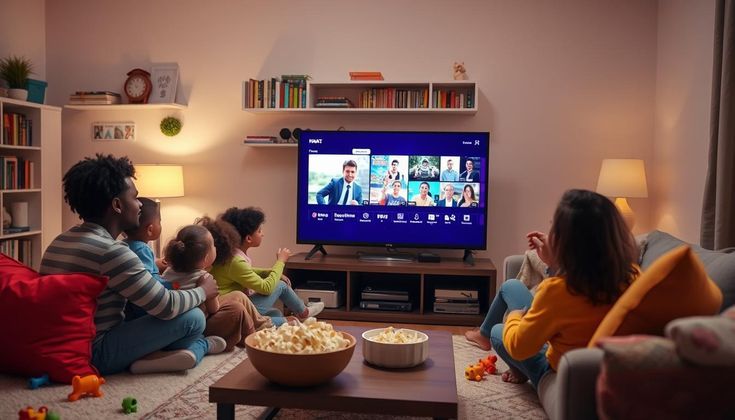
Today, premium providers like PrimeGlobal IPTV bring everything together. You get to keep your instant VOD access while also watching live PPV events, sports, and international channels for a fraction of what cable monopolies charged. The power is finally back in the hands of the viewer.
Sign up for our newsletter to receive exclusive offers, latest channel updates, and streaming tips directly in your inbox.
© 2024 PrimeGlobal IPTV. All Rights Reserved.